


 Download App



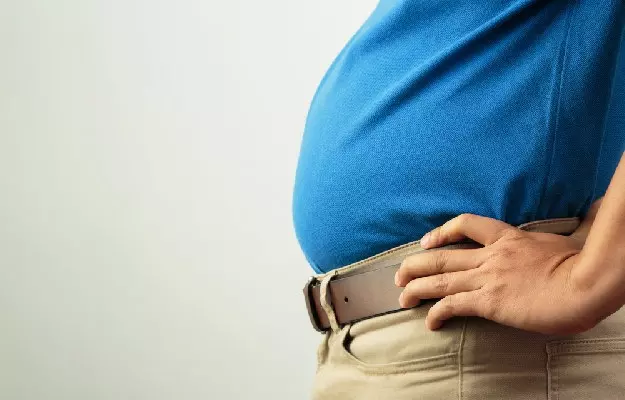



Being under stress and anxiety for a long time has a negative effect on the body and has some negative effect on all the body parts, be it mental or physical. Due to excessive physical stress, fat starts accumulating around the stomach, which is also called stress belly these days.
In this article we are going to tell you how stress and stress hormones can affect your stomach.
Read more - (Stress: symptoms, causes, treatment)
- What is Stress Belly
- Subcutaneous Fat Belly
- Visceral Fat Belly
- Visceral Fat Health Problems
- Stress Belly Treatment
- Stress Management for Weight Loss
- Do Exercise for Weight Loss
- Food for Weight Loss
- Sleep for Weight Loss
- Don't Smoke for Weight Loss
- When to See a Doctor
- Summary

What is Stress Belly
Stress belly is excess fat deposited on the abdomen due to chronic or prolonged stress. Many times people try very hard to lose weight, but even after that they are not able to see much difference around their stomach because another reason for accumulation of fat on the stomach is stress, this is because they are affected by those hormones. We are not treating the diseases which are the root of this problem.
We all know that cortisol is an important hormone in our body. It helps regulate blood sugar and metabolism, among other things. Along with other hormones such as adrenaline, cortisol is beneficial in providing energy and strength to the body. But being under stress for a long time can increase both blood pressure and blood sugar and can also have a bad effect on good hormones and this is not good.
According to a study conducted in 2018, chronically high cortisol levels are a major cause of fat accumulation around the abdomen. Stress at work can lead to stomach problems like vomiting and diarrhea, and irritable bowel syndrome (IBS) is a result of chronic stress.
Many health problems increase as obesity increases, but abdominal obesity can be a major risk factor for other diseases and mortality.
There are two types of belly fat: subcutaneous fat and visceral fat.
Read more - (Chronic Stress - Symptoms, Causes, and Treatment)









 Share & Earn

 Embed
Embed
 Link
Link
 Whatsapp
 Facebook
 X
Share & Earn
Embed
Link
Whatsapp
Facebook
X
X
Share & Earn
Embed
Link
Whatsapp
Facebook
X
Subcutaneous Fat Belly
Subcutaneous fat is just beneath the skin. Fat stored under the abdominal skin is more dangerous than fat visible anywhere else in the body because subcutaneous fat produces certain helpful hormones, including:
leptin, which helps suppress appetite and burn stored fat
adiponectin, which helps regulate fat and sugar
Read more - (Home Remedies for Stress)








 Share & Earn
Embed
Link
Whatsapp
Facebook
X
Share & Earn
Embed
Link
Whatsapp
Facebook
X
Share & Earn
Embed
Link
Whatsapp
Facebook
X
Share & Earn
Embed
Link
Whatsapp
Facebook
X
Visceral Fat Belly
Visceral fat is found around the liver, intestines and other internal organs beneath the abdominal wall. Some fat is stored in the omentum, a flap of tissue beneath the muscles, which becomes thicker as more fat is stored.
Visceral fat contains more cytokines than subcutaneous fat. These proteins can cause inflammation, increasing the risk of chronic health problems.
Visceral Fat Health Problems
According to Harvard Health, visceral fat may increase your risk of:
- asthma
-
cancer
-
cardiovascular disease
-
Madness
Read more - (Stress relieving foods)
Stress Belly Treatment
Mostly genetics influence where fat is stored in the body. Hormones and age also play an important role in this. After menopause, when estrogen levels drop, women tend to gain more visceral fat.
Nevertheless, some measures can be taken to reduce belly fat.
First of all, avoid taking any medicine or only Ayurvedic medicines to reduce any kind of belly fat as there is no quick solution. Positive results can only be achieved by adopting a healthy lifestyle with a slow, steady mindset.
There are higher options like-
Stress Management for Weight Loss
We all have some stress and there is no way to suddenly eliminate it in a day, but there are ways to reduce and manage stress:
Take out some time for yourself and do your favorite work. Listen to music, read a book of your choice, relax. Do things that make you feel peaceful and content, even if it's just for a few minutes. Meditation can also be very helpful in this. Many studies show that meditation can help reduce psychological stress. Socializing with people can help in keeping the mind away from stress.
Read More - (Can stress cause IBS?)
Do Exercise for Weight Loss
Improving mood is one of the many benefits of exercise. Exercising daily can help reduce visceral fat, even if it does not help with weight loss.
Try to remain active throughout the day. Stand instead of sitting, use stairs instead of lift
Food for Weight Loss
Research shows that vitamin B can help relieve stress, so try adding green, leafy vegetables, avocados, and bananas to your diet. Fish and chicken are also good options. Try to eat a balanced diet. A balanced diet should include plenty of fruits, vegetables, and whole grains. To reach or maintain a healthy weight, try to reduce total calories and avoid fried foods, alcohol, and other unhealthy foods.
Sleep for Weight Loss
Research shows that adults ages 18 to 65 who sleep less than 6 hours or more than 9 hours are more likely to develop visceral fat. Research shows that most adults need 7 to 9 hours of sleep each night.
Don't Smoke for Weight Loss
Studies show that cigarette smoking increases the risk of abdominal obesity. Increasing the amount of time you smoke makes your belly fat more likely to accumulate. Consume alcohol in moderation.
When to See a Doctor
If you have a little fat on your stomach, there is no need to visit a doctor, but If you're feeling the effects of chronic stress, make an appointment with your healthcare provider, or even talk to your doctor if you notice any of the following symptoms:
- anxiety or depression
-
Tiredness
-
difficulty sleeping
-
rapidly increasing belly weight
-
Frequent gas formation, bloating, or other digestive problems
Summary
Being under stress for a long time can cause stress belly as well as other problems. Although there's nothing you can do about genetics, there are ways to help prevent, manage, and treat stress. By adopting these you can improve your life and live a good life.